International Enrollment
International student recruitment is getting harder. Your reach shouldn't get narrower.
International student recruitment is under pressure. Resilience means building more than one path to students—and more than one media path to families.
International student recruitment is under real pressure in 2026. NAFSA’s August 11 outlook estimates that U.S. colleges and universities could see as many as 111,000 fewer international students this fall, a decline of up to 9.5%. It points to falling applications, visa bottlenecks and restrictive policy changes among the pressures.

Institutions should plan for that reality. The useful question is whether an enrollment strategy depends too heavily on one path to the student.
When mobility gets harder, access can take more than one form
The dominant model—recruit abroad, admit the student, bring the student to campus—still matters, but is not the only model.
[C-BERT’s 2026 update] identifies 386 operational international branch campuses worldwide, up from 333 in 2023; 97 are operated by U.S. institutions. The OECD’s current transnational-education framework also includes joint and double-degree programs, online or hybrid delivery, branch campuses, and joint institutions.
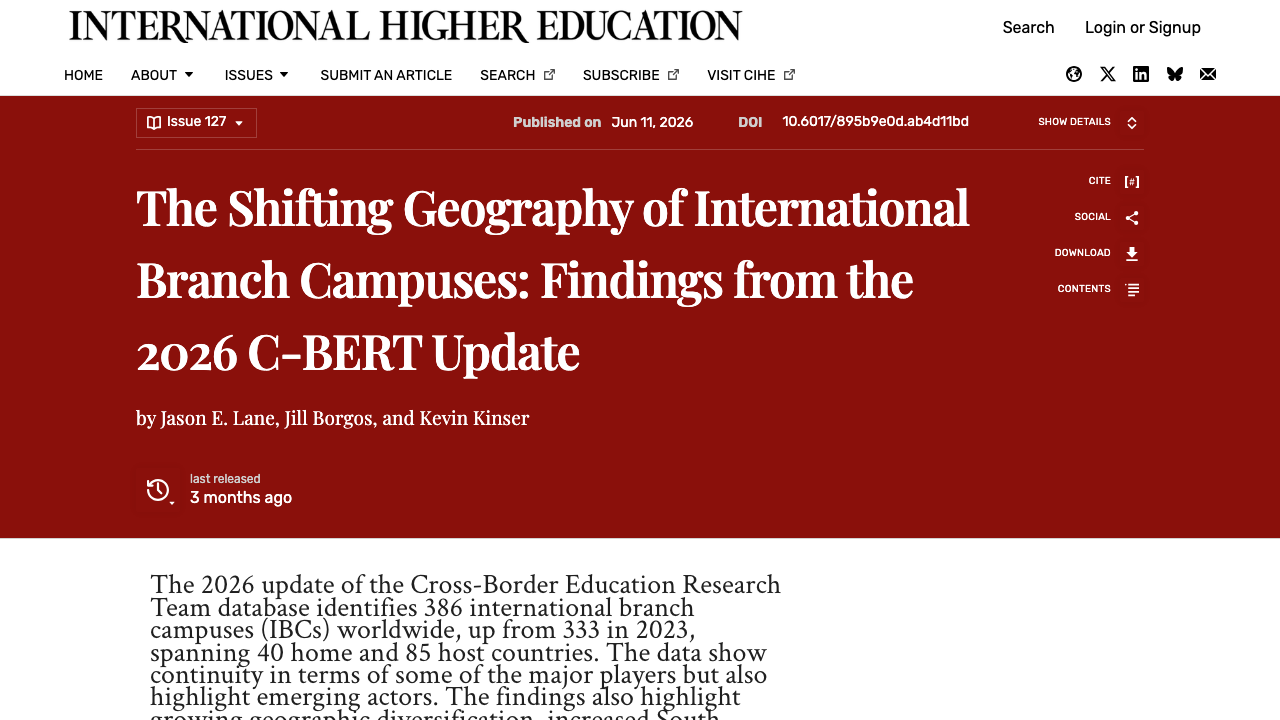
Not every school should open a campus overseas or launch a joint degree. When one route becomes less reliable, resilience comes from understanding which alternatives are viable: a partnership, online pathway, different entry model, or program delivered closer to where students live.
Another audience requires no crossing.
Some of the families you want to reach are already here
The United States is not a single-language media market. The 2024 ACS estimates 74 million people age five and older—23% speak a language other than English at home.
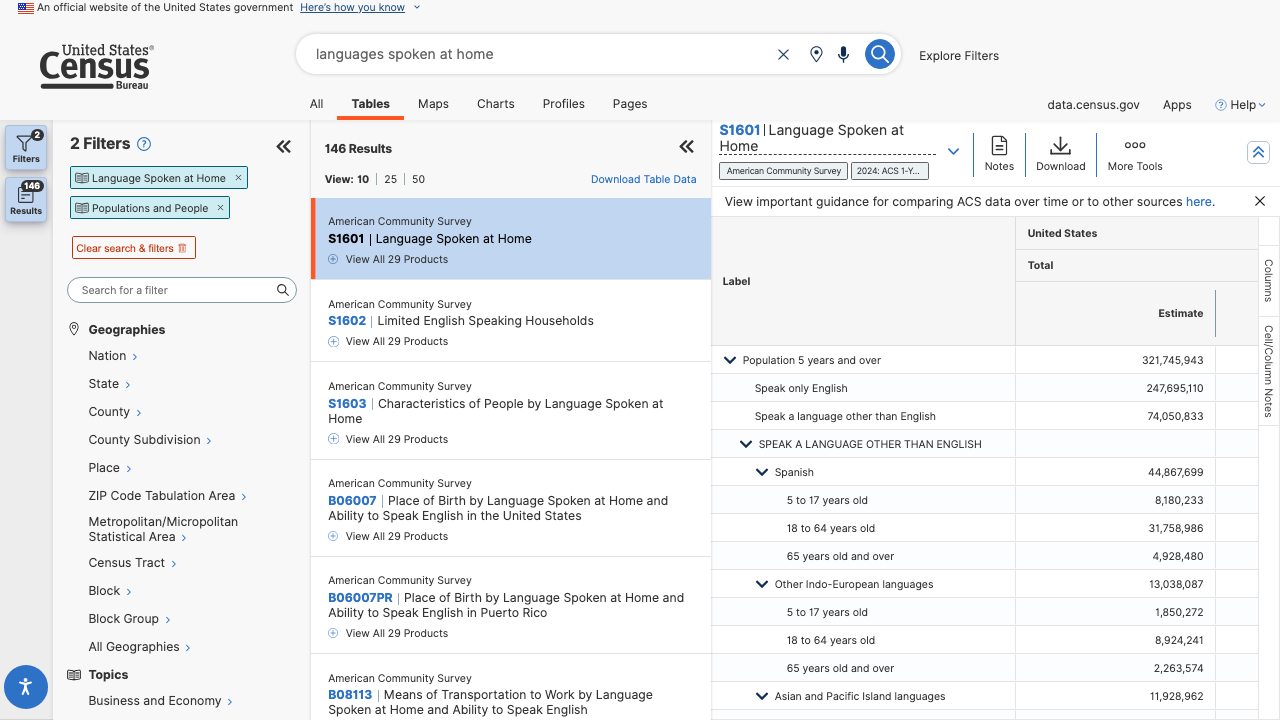
Families do not all discover and discuss education through the same media mix. Default channels may not represent multilingual communities.
In China, WeChat Official Accounts publish content, build followers and send messages. Xiaohongshu combines enterprise accounts, discovery, advertising and lead generation.
In South Korea, KakaoTalk had 49.1 million monthly active users in the Digital 2026 report, based on late-2025 reporting. Kakao Business provides a business home, posts, messages, chat and analytics.
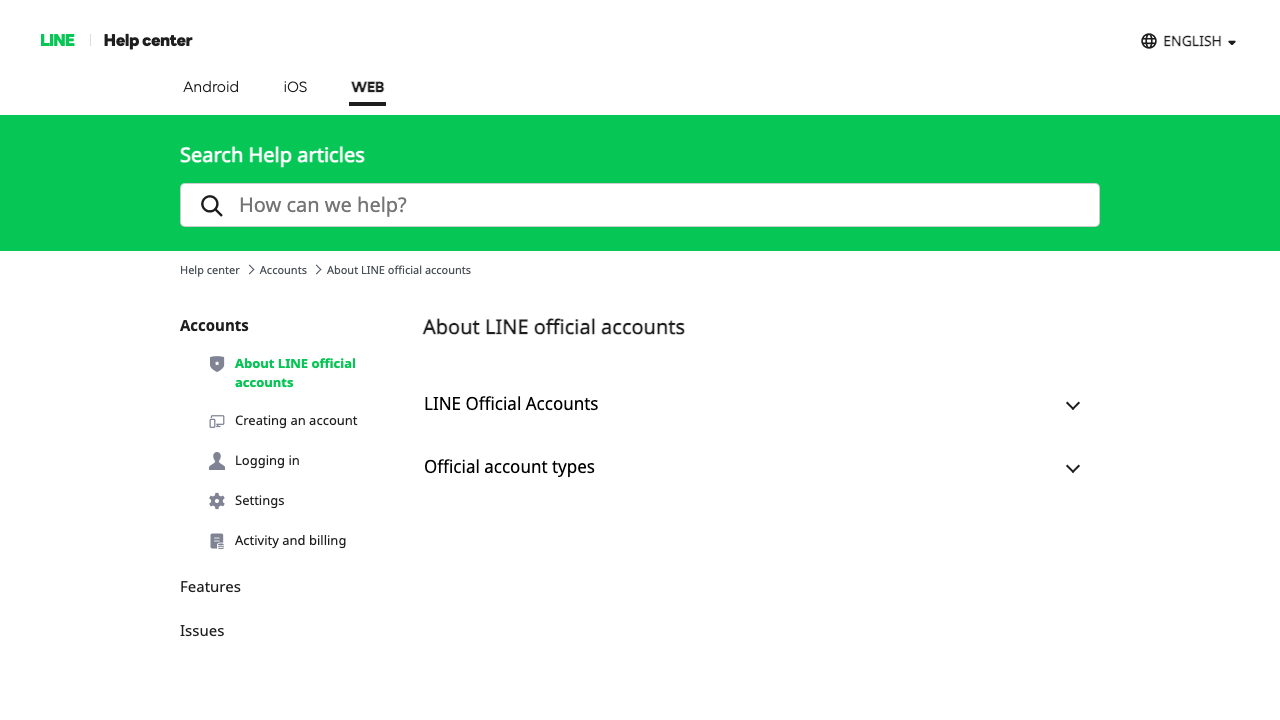
In Japan, LINE had 99 million monthly active users in that period. LINE Official Accounts support profiles, targeted broadcasts and discovery. In India, Instagram and YouTube reported potential advertising reach of roughly 481 million and 500 million respectively in late 2025.
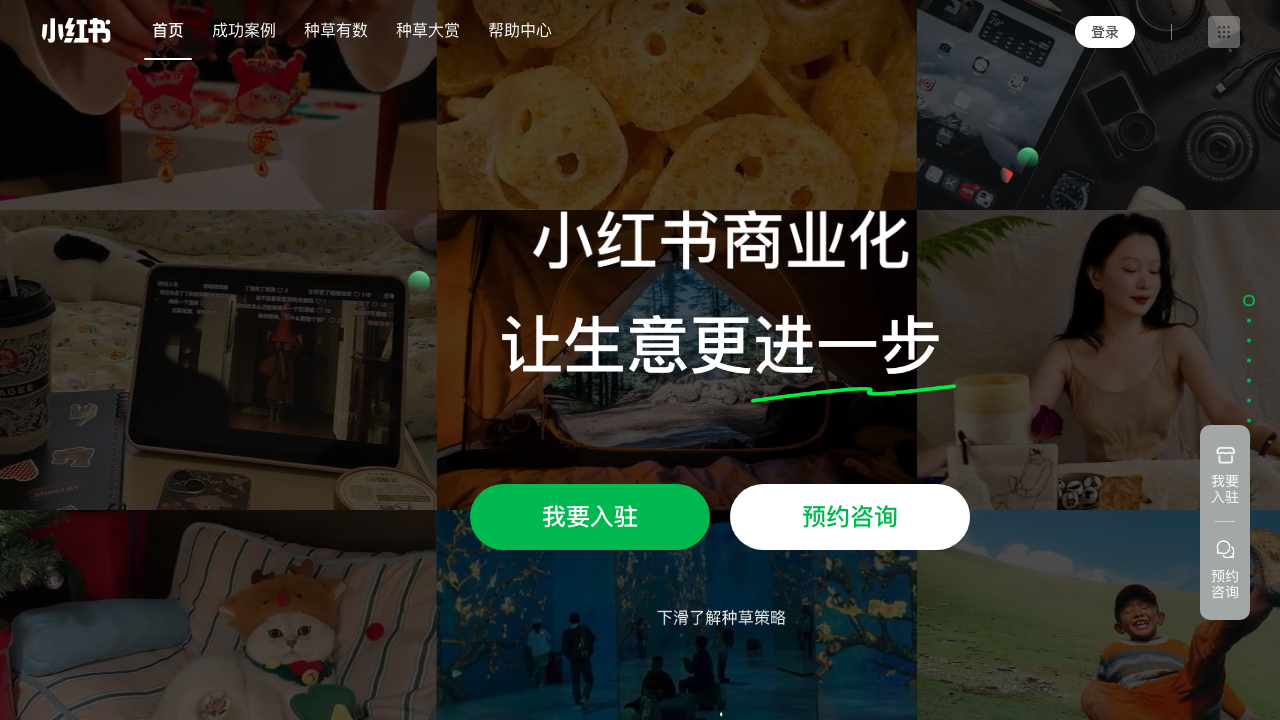
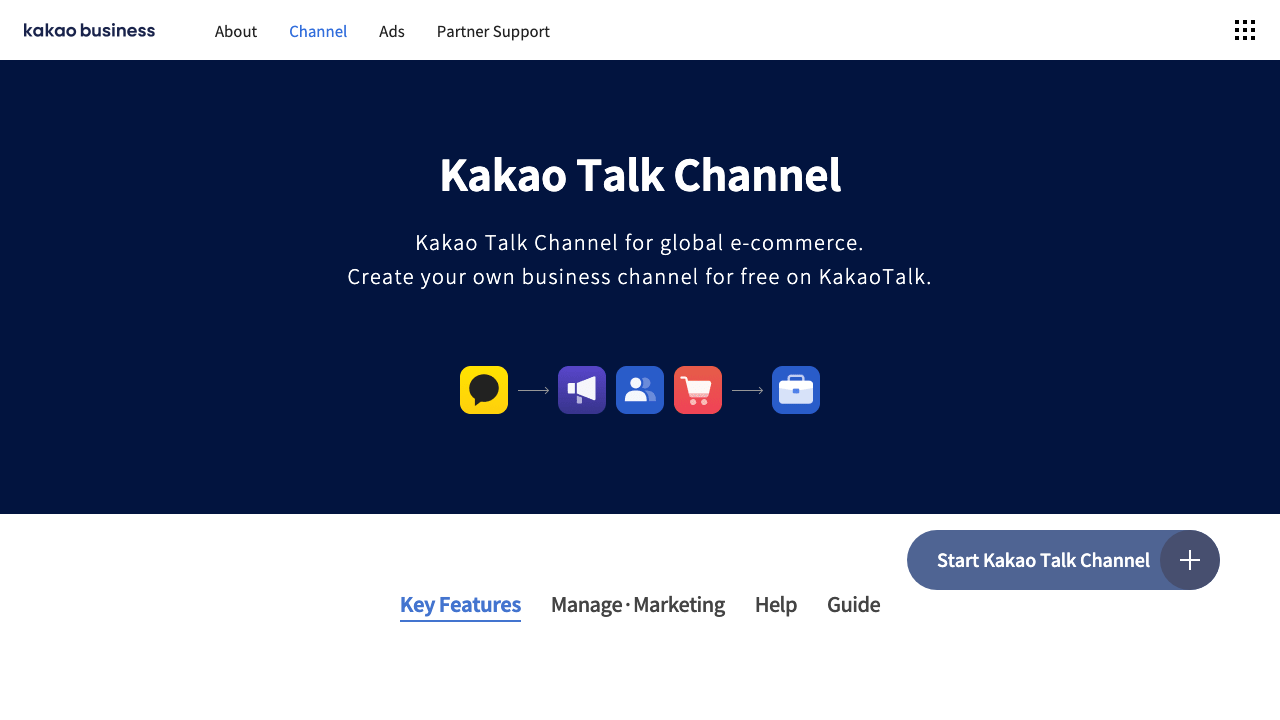
These platforms are not interchangeable. A 2025 peer-reviewed study found Mandarin-speaking parents used WeChat groups to learn about schools and application processes; diaspora research documents WhatsApp and WeChat as communication infrastructure.
The point is not that every family uses one platform. ZIP code alone is not a media strategy.
Build resilience into both access and reach
A stronger plan asks what other access forms are realistic, and which language, community and platform behaviors influence discovery and trust.
Multicultural marketing is not a demographic checkbox or a reason to open every account. Map the audience, identify the platform’s role, connect it to an owned next step, and measure meaningful discovery and progression. See AMB’s market infrastructure framework and market-divergence analysis.
The predictable outcome is less dependence on one mobility pathway and one media ecosystem.
Policies will change again. Platforms will change too. The institutions best prepared for the next disruption will not be the ones that guessed the future perfectly. They will be the ones that built more than one way to remain reachable.
Enrollment Resilience
Map the audiences and channels your institution may be missing.
If your institution is rethinking international enrollment or multilingual audience reach, AMB can prepare a tailored research and strategy overview of up to 20 pages at no cost. We will also spend up to one hour walking through the findings with your team. There is no commitment required, and we will give you candid, practical recommendations whether or not you decide to work with AMB.
AMB Insights
Stay ahead of Chinese-speaking market shifts.
Get AMB Insights on Chinese-speaking market intelligence, enrollment strategy, and market-specific enrollment infrastructure.